“grow in Ethiopia” search results (2000)

Introduction of Coffee Bean growing Environment in Ethiopia
Ethiopian coffee beans grow in close to the natural environment, after years of planting under the same growth conditions, Ethiopian coffee beans have gradually adapted to the environment here. More than 60% of coffee beans are grown in forests or semi-forests. Large-scale coffee-growing villages account for about 35% of the country's total coffee production. Many of these are used.
2016-07-05 Ethiopia coffee beans growth environment introduction coffee manor producing area
Ethiopian Fine Coffee introduction Ethiopia Fine Coffee Origin introduction Ethiopia Russia
1. Limu coffee grows between 1400 meters and 2000 meters above sea level. Wash the coffee. Excellent quality, with strong nut aromas, suitable acidity, with the intensity of wine. The annual output is 29000 tons. 2. Jima Coffee grows between 1400 and 1800 meters above sea level. Sun-baked coffee. Slightly sour, with nutty aromas and a long finish. The annual output is 70000 tons. 3. Growth of Gamby Coffee
2016-03-29 Ethiopia quality boutique coffee introduction origin mahogany
Introduction to the flavor and taste of Ethiopian coffee beans grade classification of Ethiopian Sidamo coffee beans
Ethiopia has unique natural conditions suitable for growing all imaginable varieties of coffee. As a upland crop, Ethiopian coffee beans are mainly grown in areas between 1100 and 2300 meters above sea level, roughly distributed in southern Ethiopia. Deep soil, row
2022-07-22 Yes Tiandu thick natural conditions Ethiopia coffee flavor characteristics mouth
Introduction of boutique coffee beans in Ethiopia Yega Sheffivoka Coffee Flavor
In July 1991, EGF hosted a national conference with the participation of more than 20 political and ethnic organizations. The meeting adopted the Transitional Charter and elected an 87-member House of Representatives, with EGF Chairman Meles Zenawi as President of the Transitional Government and President of the House of Representatives. A transitional government was established. On May 24, 1993, Eritrea (formerly the province of Eritrea, Ethiopia) adopted
2016-08-31 Ethiopia Yega Sheffield Waka Coffee Flavor Taste Manor boutique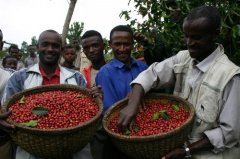
Essex, Damo, Ethiopia, Ethiopia, Sidama, Shaqiso production area, elevated bed sun sun Heirloom boutique coffee.
The coffee flavor of Sidamo is very diverse, because of the different soil composition, regional microclimate and countless native coffee varieties, the coffee produced in each urban area has obvious differences and characteristics. Sidamo producing area (Sidama) is located in the south of Ethiopia. The industry here is mainly agricultural, and the coffee growing area is located around the Great Rift Valley (Great Rift Valley) of East Africa.
2016-05-16 Ethiopia Dharma Yasso Biya Cedar Martha Chiso producing area Viaduct Solar
Taste characteristics of fermented natural sun-cured Ethiopian coffee varieties introduction to the flavor of fine coffee beans in the manor
Ethiopia has unique natural conditions suitable for growing all imaginable varieties of coffee. As a upland crop, Ethiopian coffee beans are mainly grown in areas between 1100 and 2300 meters above sea level, roughly distributed in southern Ethiopia. Deep soil, well drained soil, weakly acidic soil, laterite and soil are soft and contain
2016-09-02 Fermentation Natural Sun Ethiopia Coffee Variety Taste characteristics Manor
Ethiopia Coffee Bean Flavor Manor introduces Ethiopian boutique coffee beans
Ethiopian coffee beans grow in close to the natural environment, after years of planting under the same growth conditions, Ethiopian coffee beans have gradually adapted to the environment here. More than 60% of coffee beans are grown in forests or semi-forests. Large-scale coffee-growing villages account for about 35% of the country's total coffee production. Many of these are used.
2016-07-21 Ethiopia coffee beans flavor taste manor introduction boutique
Boutique coffee beans common sense Ethiopian mocha coffee beans
Ethiopia (Ethiopia) is one of the major producers of Arab coffee beans in Africa, producing the best Arab mocha beans in the world. It is said that coffee beans were first discovered by shepherds in the Kafa region of Ethiopia, and the name of coffee evolved from Kafa, so Ethiopia is still the hometown of coffee. Production and processing of coffee beans in Ethiopia
2014-12-28 Boutique coffee beans common sense Ethiopia Mocha Aesop Biya
Yega Xuefei Coffee growing area, Ethiopia
Yirgacheffe is one of the most unique coffee beans in the world: it has a warm aroma of flowers, lemon, thick acidity but soft and smooth taste. The name Ethiopia Yirgacheffe comes from a variety of coffee. This coffee has a slightly bitter taste in the mouth, but the throat rhyme is sweet.
2016-06-07 Ethiopia Yega Sheffield Coffee growing area Yirga
The method of growing Ethiopian coffee beans the price of fine coffee in Ethiopia
The birthplace of coffee-Ethiopia. The coffee tree originated in Ethiopia, which was originally a wild plant here, and the name coffee comes from the Ethiopian town of Kaffa. In fact, many coffee trees in Ethiopia are still wild plants, and the coffee grown on this coffee tree is full-grained and slightly alcoholic. Humans may have been in the 9th century.
2016-05-09 Ethiopia coffee beans planting method price boutique coffee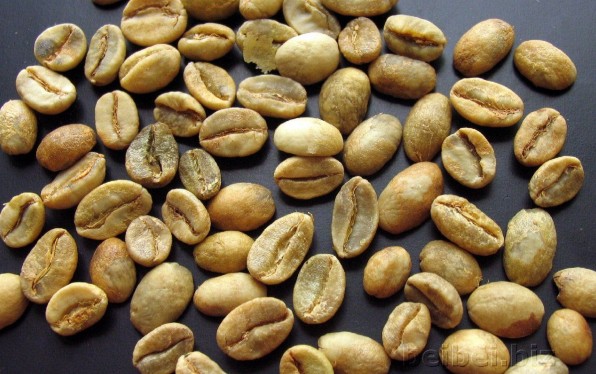
Introduction of world boutique coffee beans; Ethiopia (Ethiopia) mocha coffee raw beans
The hometown of Arabian coffee, growing up at high latitudes, needs a lot of manual care. Here is the famous Ethiopian mocha, which has a sour taste similar to that of wine, fragrant and productive. Ethiopia (Ethiopia) Mocha Coffee Raw Bean Ethiopia mocha green bean Arabica Coffee is the hometown of Arabian Coffee, which grows in high places.
2015-12-17 World boutique coffee beans introduction Ethiopia Esso Biya mocha coffee
High quality Coffee production and sales of Coffee from Ethiopia Coffee
Ethiopian coffee beans grow in close to the natural environment, after years of planting under the same growth conditions, Ethiopian coffee beans have gradually adapted to the environment here. More than 60% of coffee beans are grown in forests or semi-forests. Large-scale coffee-growing villages account for about 35% of the country's total coffee production. Many of these are used.
2016-07-06 High quality coffee Ethiopia producing country production situation sales volume introduction boutique
Introduction to the Fine Coffee Flavor Manor of Ethiopia
Ethiopian coffee beans grow in close to the natural environment, after years of planting under the same growth conditions, Ethiopian coffee beans have gradually adapted to the environment here. More than 60% of coffee beans are grown in forests or semi-forests. Large-scale coffee-growing villages account for about 35% of the country's total coffee production. Many of these are used.
2016-07-15 Ethiopia boutique coffee flavor taste manor producing area introduction
Introduction to the Fine Coffee Bean Flavor and Taste Manor in Ethiopia
Ethiopian coffee beans grow in close to the natural environment, after years of planting under the same growth conditions, Ethiopian coffee beans have gradually adapted to the environment here. More than 60% of coffee beans are grown in forests or semi-forests. Large-scale coffee-growing villages account for about 35% of the country's total coffee production. Many of these are used.
2016-07-14 Ethiopia boutique coffee beans flavor taste manor producing area introduction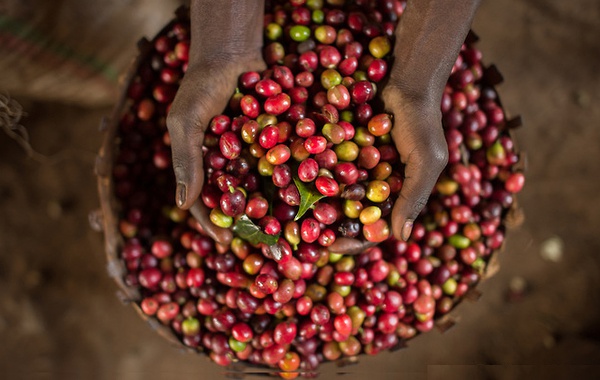
Coffee from Ethiopia, the birthplace of coffee, introduces how Ethiopian coffee powder
Ethiopia is one of the major producers of Arabica coffee in Africa, producing the best Arabian coffee in the world. It is said that coffee was first discovered by shepherds in Essekafa, and the name of coffee evolved from Kafa, so Essex is still the hometown of coffee. The geographical environment of coffee production and processing is very suitable for coffee growth. Coffee is mainly cultivated.
2016-04-26 Coffee birthplace Ethiopia introduction coffee powder how
Introduction to Coffee Culture and Flavor in Ethiopia
Sustainable coffee culture Ethiopian coffee beans grow in close to the natural environment, after years of planting under the same growth conditions, Ethiopian coffee beans have gradually adapted to the environment here. More than 60% of coffee beans are grown in forests or semi-forests. The villages that grow coffee in large areas account for about the total amount of coffee produced in the country.
2016-05-31 Ethiopia coffee culture flavor introduction sustainable development
An introduction to the Banchi Magi Coffee growing area in Southwest Ethiopia
Bench Maji, located in southwestern Ethiopia and not far from neighboring Sudan, is easy to find using Google map. Although the flavor of Banchimaji Gesha Estate is different from that of Panamanian Geisha, it is still worth tasting. It is rare in many regions of Ethiopia, because of its varied flavor of spices and fruits.
2016-07-11 Ethiopia South Banki Maggie Coffee planting Manor region introduction
Ethiopia Yega Sheffield Coffee Bean grows Raw Bean G2 Yega Chefe
Ethiopia has the longest history in the world, not only in coffee production and drinking, but also in the world. Most of the production is exported to advanced countries, and unlike other coffee-producing countries, 50% of the coffee produced in Ethiopia is consumed domestically. Nevertheless, more than 60% of Ethiopia's total foreign currency exports still come from the coffee trade, which is enough to replace
2016-05-04 Esso Biya Yega Chevy Coffee Bean planting Raw Bean Ethiopia only in
World boutique coffee farm beans; Harald mocha (part 1) in Ethiopia has a delicate and rich taste
[product name]: Ethiopia Harald Mocha (Ethiopia Harar Mokha) [quality rating]: DP Grade 4 [baking]: recommended moderate baking (Medium Roast or City Roast) [grade]: excellent [granule]: ★ full [acidity]: ★★★★ slightly sour, dark chocolate aftertaste [balance]: ★★★★ is very stable
2015-12-22 World boutique coffee manor Ethiopia Harald Rahl mocha taste
Introduction to the characteristics of coffee flavor description and grinding degree in Shaqiso producing area of Ethiopia
Ethiopia has unique natural conditions suitable for growing all imaginable varieties of coffee. As a highland crop, Ethiopian coffee beans are mainly grown in areas between 1, 100 and 2300 meters above sea level, roughly distributed in southern Ethiopia. Deep soil, well drained soil, weakly acidic soil, laterite and soil are soft and contain
2016-09-28 Ethiopia Shaquiso producing area Coffee Flavor description Grinding taste characteristics